
Move Freely, Live Fully — Protect Your Joints for Life
Your joints are the foundation of every movement you make — from your morning walk to your evening stretch. Jointtherapylifestyle is Finland's dedicated editorial resource for physiotherapist tips, joint care strategies, mobility exercises, and healthy habits that keep you active at every stage of life.

Why It Matters
Key Insights on Joint Health & Mobility
Understanding how your joints work is the first step toward keeping them strong. Here are the foundational truths that guide our editorial approach.
Daily Movement Is Essential
Regular, gentle activity keeps synovial fluid circulating — the natural lubricant your joints depend on. Even short walks throughout the day make a meaningful difference.
Sedentary Work Poses Real Risk
Prolonged sitting reduces blood flow to connective tissues. Structured activity during sedentary work — standing breaks, desk stretches — is one of the most effective forms of joint prevention available.
Diet Shapes Joint Support
A joint support diet rich in omega-3 fatty acids, vitamin D, and collagen-supporting nutrients from whole foods creates the biological conditions for resilient, flexible connective tissue.
Prevention Beats Reaction
The most effective joint care strategy is one started early and maintained consistently. Building healthy habits today preserves your joint mobility for decades to come.

Why Joint Flexibility Matters as You Age
Joint flexibility is about far more than athletic performance. For most people, it is the quiet factor behind whether they can carry groceries without strain, rise from a chair without hesitation, or take an evening walk without discomfort. Our joints are designed for a lifetime of use — but only when we give them the right conditions to stay healthy.
As decades pass, connective tissue naturally loses some of its elasticity, and the supporting muscles around each joint can weaken if left unstimulated. This is not inevitable stiffness — it is largely a result of habits. Physiotherapist tips consistently point to one truth: the body adapts to what it is asked to do. Move it gently and regularly, and it remains capable and responsive.
At Jointtherapylifestyle, our editorial focus is on helping readers in Finland and beyond understand how to preserve joints through practical, evidence-informed strategies — from light joint warm-up techniques to proper posture when walking on icy streets. Because staying mobile is staying free.
- Flexibility supports balance and helps reduce the risk of everyday stumbles
- Strong surrounding muscles reduce excessive load on each joint surface
- Mobility exercises help maintain range of motion even in colder seasons
Daily Practice
Your 3-Step Daily Routine to Strengthen and Protect Joints
A sustainable approach to joint care doesn't require hours at the gym. This simple, physiotherapist-informed daily structure makes a lasting difference.
Morning: Light Joint Warm-Up
Begin every morning with five to ten minutes of gentle, targeted movement before you ask your joints to carry the day's load. Ankle circles, wrist rotations, shoulder rolls, and slow knee bends bring synovial fluid into the joint space and signal the body that it is time to move.
A light joint warm-up is especially important during Finland's colder months, when muscles and connective tissue tend to be tighter after a cool night. This safe gymnastics approach is advocated by physiotherapists as one of the highest-impact habits you can build.
Midday: Smart Movement During Work
For those in sedentary roles, midday is when joint stiffness quietly builds. Set a simple reminder every 45 to 60 minutes to stand, stretch your hip flexors, and roll your shoulders. Even a two-minute break of movement restores circulation and counters the compressive effects of prolonged sitting.
How you move correctly during the day — including proper posture when walking between meetings, and how you sit at your desk — shapes long-term joint health just as much as dedicated exercise sessions do.
Evening: Gentle Strength & Recovery
End each day with low-impact mobility exercises that build the supporting muscles around your knees, hips, and spine. Bodyweight squats, leg raises, and supported balance work strengthen the stabilisers that protect each joint surface from excessive wear during exertion.
Follow movement with adequate hydration and a joint support diet featuring whole-food sources of collagen, omega-3s, and vitamin C. This evening ritual is how healthy habits for joints compound into lasting resilience over time.
Editorial Features
Best Exercises, Foods & Habits for Joint Health
Our editorial team brings together physiotherapist tips, nutritional insights, and real-life habit strategies to help you build a life that supports lasting joint mobility.
Low-Impact Strength Training
Exercises like seated leg presses, resistance band rows, and water-based workouts build muscular support around the knee and hip joints without placing sharp compressive loads on cartilage. These forms of joint support during exertion are widely recommended by Finnish physiotherapy practitioners.
The key is gradual progression — increasing resistance slowly as your stabilising muscles grow stronger week by week.
Joint Support Diet Essentials
A healthy menu for active people centres on foods that nourish connective tissue from within. Fatty fish such as salmon and herring (readily available across Finland) provide omega-3s. Colourful vegetables supply vitamin C for collagen synthesis. Bone broth, eggs, and legumes offer the amino acids joints rely on.
Reducing ultra-processed foods and added sugar also supports the overall tissue environment.
Yoga & Stretching for Mobility
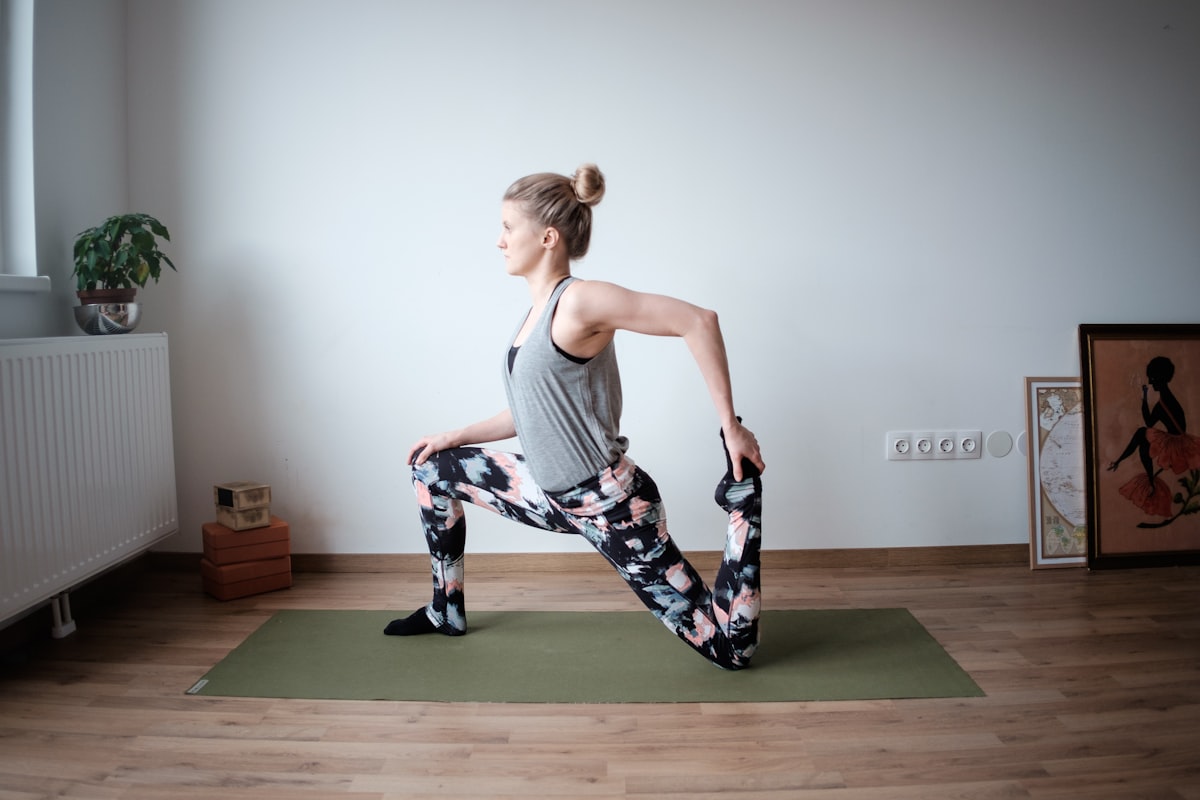
Gentle yoga sequences and targeted static stretches improve the range of motion in hips, shoulders, and ankles — the joints most likely to stiffen with age and sedentary routines. Holding each stretch for 30 to 60 seconds after warming up is the safe gymnastics approach endorsed by movement specialists.
Even two or three sessions per week produce meaningful improvements in flexibility over a few months.
Proper Posture When Walking
How you walk matters enormously for long-term joint preservation. Proper posture when walking — head level, shoulders back, soft knees, weight evenly distributed — distributes each footfall load across the whole kinetic chain rather than concentrating stress on knees or hips.
On slippery Finnish pavements in winter, a shorter stride and flexed ankles further reduce joint strain and the chance of a misstep.
Hydration for Connective Tissue
Joints are largely water-dependent systems. Cartilage is roughly 70–80% water in a healthy state, and it relies on adequate daily fluid intake to maintain its shock-absorbing capacity. Staying well-hydrated is among the simplest and most overlooked healthy habits for joints that anyone can adopt immediately.
Aim for consistent intake throughout the day rather than large volumes infrequently — small sips maintain tissue saturation more effectively.
Rest & Recovery Habits
Quality sleep is when much of the body's structural repair work takes place. Adults who consistently sleep well show better connective tissue resilience over time. Managing rest as a joint care strategy — not just as recovery from exercise, but as an everyday biological priority — is part of a comprehensive approach to how to preserve joints.
Consistent sleep schedules and a wind-down routine that includes light stretching help signal the body to restore and rebuild overnight.
Quick Tip: Hydration & Your Cartilage
Cartilage has no direct blood supply — it receives nutrients and water through the mechanical pressure of movement. Every time you move your joints, fluid is pushed into cartilage and drawn back out like a sponge. Without adequate hydration combined with regular joint mobility practice, this exchange slows. Drink water, move gently, and repeat — this is the simplest form of daily joint care available to everyone.
Joint Support During Physical Exertion
Whether you enjoy Nordic walking through Espoo's forests, cycling the coastal paths in summer, or skiing in winter, every activity places specific demands on your joints. Understanding how to support them before, during, and after exertion is what separates enthusiasts who stay active for life from those who are sidelined by accumulated strain.
Joint support during exertion begins before you even start. A structured light warm-up raises tissue temperature and prepares the joint fluid to perform. During activity, mindful movement — avoiding sudden twists, using proper knee alignment in squats, and listening to early signals from your body — keeps each session within a productive, safe range.
After exercise, a short cool-down with gentle joint mobility work and proper re-hydration helps tissues return to a rested state with minimal residual tension. This complete cycle — warm-up, activity, cool-down — is the backbone of how to preserve joints through an active lifestyle.
Frequently Asked
Common Questions About Joint Stiffness, Mobility & Healthy Habits
Our editorial team has gathered the questions readers ask most often. The answers here draw on physiotherapist tips and established movement science.
Common early signs that your joints would benefit from more regular mobility exercises include a noticeable stiffness in the morning that takes more than a few minutes to ease, reduced range of motion when reaching or rotating, and a general sense of heaviness after sitting for extended periods. These signals suggest that joint mobility has been underserved — and they respond well to a structured daily routine of gentle movement, proper posture when walking, and targeted stretches. If signals persist or worsen, consulting a physiotherapist is always a sensible step.